Expert Stove & Oven Repair in Shrewsbury, MA
Appliance Repair for Homes & Businesses in Shrewsbury, Massachusetts and Nearby Areas
Stove and Oven Repair in Shrewsbury, Massachusetts, Appliance Repair Pros
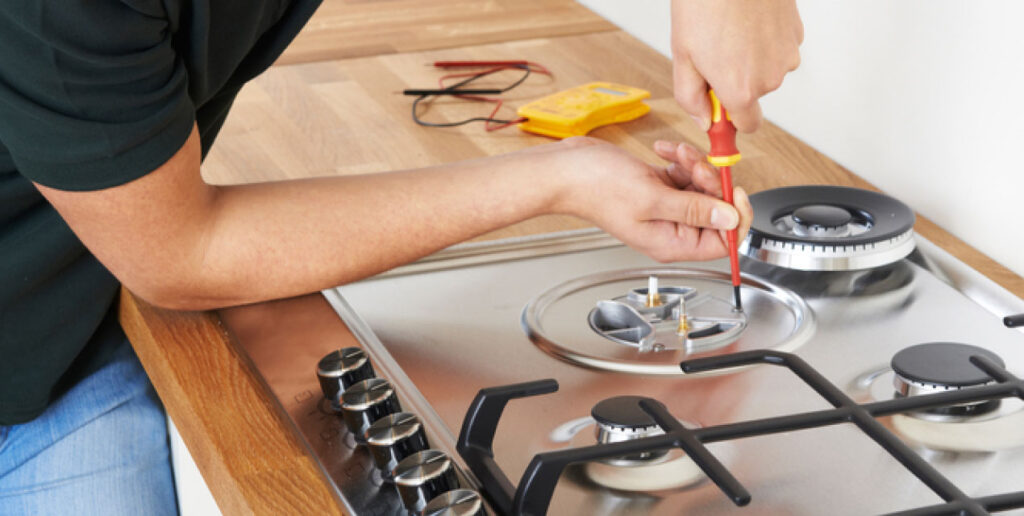
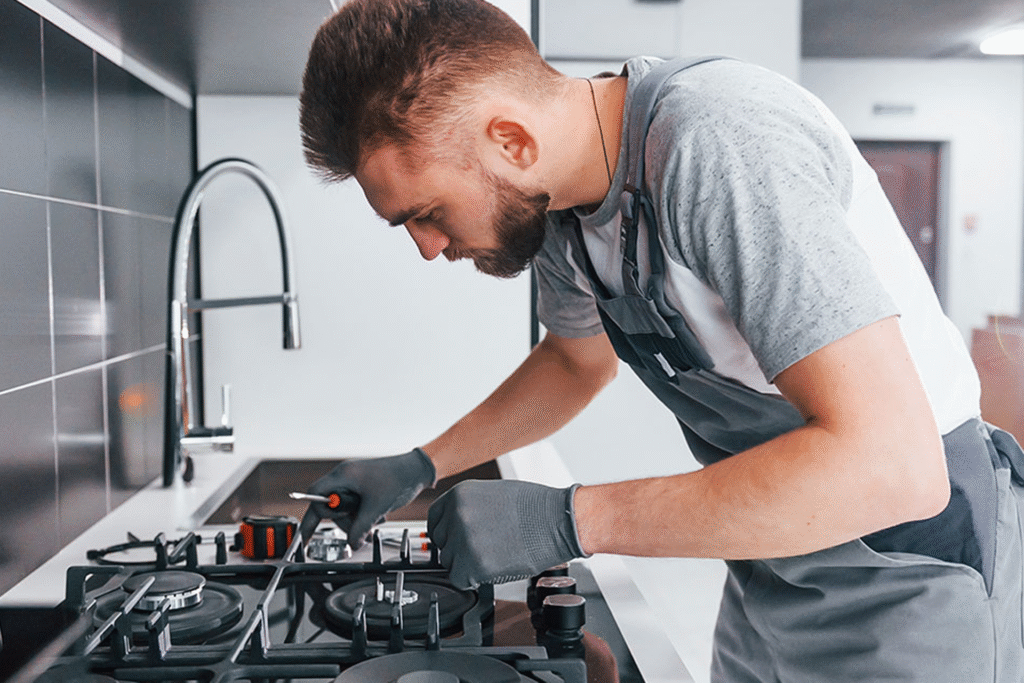
Cooking is the heart of the home and a broken stove or oven disrupts everything from weeknight dinners to holiday gatherings. At Appliance Repair Pros we provide specialized stove and oven repair in Shrewsbury, Massachusetts, and neighboring communities like Northborough and Westborough. We know that ordering takeout is not a long term solution. Whether you have a gas range that clicks but will not light, an electric oven that refuses to heat up, or a convection fan that is making a racket, we have the expertise to fix it. We service all cooking appliances including slide in ranges, built in wall ovens, cooktops, and dual fuel units.
Shrewsbury has a distinct mix of housing styles which means we see a variety of cooking setups. We work on vintage gas ranges in older homes near the town center as well as modern induction cooktops in the newer condos and developments. Our technicians treat your kitchen with the utmost care. We use protective mats to prevent scratches on your floor and we are trained to handle gas connections and high voltage wiring safely. We focus on accurate diagnostics to ensure your appliance is safe to use and cooks evenly. If your dinner plans are on hold because of a breakdown we are ready to help you get back to cooking.
Contact us today for scheduling.
Stove and Oven Repair Services in Shrewsbury
Cooking appliances are generally durable but they operate under high heat and stress which eventually wears down components. Modern units also incorporate complex electronics to control temperature and convection airflow. We provide comprehensive repair services for every type of residential cooking equipment. From calibrating temperature sensors to replacing glass cooktops we handle the heavy lifting so you do not have to. We understand the nuances of both gas and electric systems.
Cooking systems we work on
- Gas ranges and stoves
- Electric freestanding and slide in ranges
- Built in single and double wall ovens
- Gas and electric cooktops
- Induction cooktops
- Dual fuel ranges (gas cooktop with electric oven)
- Pro style ranges (Wolf, Viking, Thermador styles)
- Warming drawers
What makes stove and oven repair tricky
- Gas leaks can be invisible and odorless without proper detection equipment
- High voltage circuits in electric stoves carry 240 volts which is dangerous
- Hidden fuses and thermal cutoffs often mimic control board failures
- Glass cooktops require specialized handling to avoid shattering during removal
- Calibrating temperature often requires digital analysis of heating cycles
- Ignition modules for gas burners can have intermittent faults that are hard to catch
- Door lock mechanisms for self clean cycles can jam and lock your food inside
Common Stove and Oven Problems We Fix
Oven is not heating at all
Turning on the oven and feeling no heat after ten minutes is a major inconvenience. On a gas oven this often means the igniter is weak or the safety valve is closed. On an electric oven it usually points to a broken heating element or a wiring failure. In either case the unit is unusable until repaired.
Likely causes
- Weak or broken bake igniter (gas)
- Burned out heating element (electric)
- Tripped thermal fuse or high limit switch
- Control board relay failure
- Incoming power issue at the outlet
- Broken safety valve
How we diagnose it
For gas units we observe the amp draw of the igniter to see if it is strong enough to open the gas valve. For electric units we test the element for continuity and verify that the control board is sending 240 volts to the terminals. We trace the circuit to find where the power stops.
What you can do right now
Check your home circuit breaker. Electric ovens run on a double breaker so ensure both are in the “on” position. If it is gas ensure the stop valve behind the unit is open.
Gas burner clicks but will not light
The clicking sound of a gas stove trying to light is normal but if it continues without a flame it becomes a problem. This issue can be caused by a lack of gas flow or a spark that is not hitting the right spot. It can affect one burner or all of them depending on the failure.
Likely causes
- Clogged burner ports blocking gas flow
- Wet ignition electrode from spills or cleaning
- Cracked ceramic insulator on the spark plug
- Defective spark module
- Loose wire connection to the igniter
How we diagnose it
We remove the burner cap and inspect the electrode for damage or debris. We test the spark module to see if it generates a high voltage pulse. We also check the gas supply tube for blockages that might prevent gas from reaching the igniter.
What you can do right now
Clean the burner cap and base thoroughly. Use a toothbrush to clear the small slots where the gas comes out. If you recently cleaned the stove let it dry out for a few hours as moisture often interferes with the spark.
Oven temperature is inaccurate
If your cookies are burning on the bottom or your roast is taking twice as long as usual your oven temperature is likely off. Over time temperature sensors can drift or control boards can lose their calibration. This makes following recipes difficult and frustrating.
Likely causes
- Failed or drifting temperature sensor probe
- Control board calibration error
- Blocked airflow in the oven cavity (foil on bottom)
- Weak bake igniter cycling too slowly
- Door gasket leaking heat
- Convection fan not circulating air
How we diagnose it
We measure the actual internal temperature using a digital thermocouple placed in the center of the oven. We compare this reading to the set temperature over several on and off cycles. We then test the resistance of the built in sensor to see if it matches the manufacturer specifications.
What you can do right now
Remove any aluminum foil you have placed on the bottom of the oven as this reflects heat and confuses the sensor. Ensure the oven racks are positioned correctly.
Electric element is not working or blistering
On electric cooktops the heating elements can burn out or develop “hot spots” where the metal bubbles and blisters. If an element on a glass top stove stops working it might be the element itself or the infinite switch that controls it.
Likely causes
- Burned out ribbon element (glass top)
- Broken coil element
- Failed infinite switch or regulator
- Loose wire connection at the terminal block
- Damaged receptacle for coil elements
How we diagnose it
We test the element for continuity to see if the internal wire is broken. If the element is good we test the switch to ensure it is regulating power correctly. We also inspect the wiring for signs of overheating or arcing.
What you can do right now
If you have coil burners swap the non working element with another one of the same size to see if the problem follows the element or stays with the burner socket.
Oven door is stuck locked
This usually happens after a self clean cycle. The high heat latch engages to prevent the door from opening but if the motor or sensor fails the door will not unlock even after the oven cools down. This traps your food or prevents you from using the oven.
Likely causes
- Failed door lock motor assembly
- Bad door switch sensor
- Control board logic error
- Warped door latch due to high heat
- Wiring harness damage
How we diagnose it
We access the lock assembly usually from the back or top of the unit. We test the motor and the microswitches that tell the computer the position of the lock. We carefully manually release the lock to open the door without damaging the latch.
What you can do right now
Allow the oven to cool completely for at least two hours. Try running a short “Cancel/Off” command to reset the board. Do not pry the door open as this will break the glass or the latch mechanism.
Uneven baking
When one side of a cake rises and the other stays flat it usually indicates an airflow or heating balance issue. In convection ovens the fan is critical for even distribution. In standard ovens the bake and broil elements must work together to maintain a steady heat.
Likely causes
- Convection fan motor failure
- Broil element not coming on during preheat
- Oven is not level on the floor
- Worn door hinges preventing a tight seal
- Blocked vents
How we diagnose it
We verify that both the bake and broil elements are functioning as most ovens use both to maintain temp. We check the operation of the convection fan and inspect the door hinges to ensure the door sits flush against the frame.
What you can do right now
Place a level on the oven rack to ensure the unit is sitting flat. Adjust the leveling legs at the bottom of the range if necessary.
Glass cooktop is cracked
Dropping a heavy pot or spice jar on a glass cooktop can cause a crack. Once the glass is cracked it is no longer safe to use. Moisture from spills can seep through the crack and reach the high voltage electronics below creating a severe shock hazard.
Likely causes
- Impact from a heavy object
- Thermal shock (cold pot on hot surface)
- Overtightening installation screws (rare)
How we diagnose it
This is a visual diagnosis. The glass top must be replaced. We carefully disconnect the wiring from the old top and transfer the heating elements and brackets to the new glass assembly.
What you can do right now
Stop using the stove immediately. Do not put tape over the crack as it will melt and cause a fire hazard. Turn off the breaker to the unit to prevent accidental activation.
Smell of gas coming from the stove
A gas smell is a serious safety warning. It can occur when a burner fails to light but gas keeps flowing or if there is a leak in the internal piping. Safety is the priority here.
Likely causes
- Leaking pressure regulator
- Loose gas line connection
- Igniter failure allowing gas to flow without flame
- Surface burner valve not closing completely
How we diagnose it
We use electronic gas detectors and leak detection solution to find the source of the escaping gas. We check all internal joints and the regulator. We also verify the operation of the safety valves.
What you can do right now
If the smell is strong evacuate the house and call the utility company. If it is faint check that all burner knobs are in the “Off” position.
Safety Notes for Stove and Oven Issues
Stoves and ovens involve two of the most dangerous elements in a home: combustible gas and high amperage electricity. Unlike a washing machine where a leak just causes a mess a stove failure can threaten the safety of your home. We take these risks very seriously and so should you.
Please follow these safety guidelines if you suspect an issue:
- If you smell gas: Do not turn on any lights or use any electrical switches. Open windows if safe to do so and leave the area. Turn off the main gas shutoff valve if you know where it is. Contact your gas utility provider immediately.
- If you see sparks or electrical arcing: Turn off the circuit breaker for the range at your main electrical panel. Do not throw water on an electrical fire.
- If a grease fire starts: Turn off the burner. Cover the pan with a metal lid or use a fire extinguisher. Never put water on a grease fire as it will spread the flames.
- If the glass top cracks: Do not cook on it. Even a small crack compromises the structural integrity and electrical safety of the unit.
Brands We Service for Stove and Oven Repair in Shrewsbury
The cooking appliance market is filled with various brands that range from basic reliable models to high end professional chef equipment. A Wolf range uses a completely different ignition system than a basic GE stove. We categorize our training to ensure we understand the specific engineering of each brand family.
Whirlpool family (Whirlpool, Maytag, KitchenAid, Amana, JennAir)
These are the workhorses of many Shrewsbury kitchens. They are generally easy to service and parts are readily available. KitchenAid and JennAir models often feature more complex electronics and convection systems.
Common issues we see with these models
- “Feature not available” errors on the display
- Control board relays failing
- Aqualift self clean technology issues
- Spark modules clicking continuously
- Door hinges locking up
Why correct diagnosis matters
Many of these units share error codes but have different wiring diagrams. A simplified diagnosis often leads to replacing the wrong board.
GE family (GE, GE Profile, Café, Monogram, Hotpoint)
GE ranges are known for their sturdy build and specific oven control systems. The Café and Monogram lines are high end and require a technician familiar with dual fuel setups and pro style burners.
Common issues we see with these models
- Igniters glowing but not lighting the gas
- Failed meat probe jacks causing error codes
- Cooling fan noise in the electronics bay
- Burner caps becoming warped
- Keypads becoming unresponsive
Why correct diagnosis matters
GE ovens often use a safety valve that relies on a specific amperage from the igniter. If the igniter is weak it wont open the valve. Many people replace the valve unnecessarily when the igniter is the culprit.
Samsung and LG
These brands have introduced massive innovation into the kitchen with features like dual doors, air fry modes, and smart connectivity. However their parts distribution and electronic complexity require specific knowledge.
Common issues we see with these models
- Temperature calibration drifting
- Touchscreen failures
- Knobs breaking due to plastic stems
- Convection fans making loud noises
- Uneven heating in the “Flex Duo” dividers
Why correct diagnosis matters
Samsung and LG ranges rely heavily on sensors. A single bad sensor can shut down the whole oven. We know how to test these sensors to avoid replacing expensive main boards.
Bosch and Thermador
These are premium brands often found in luxury kitchens. Thermador is famous for its star shaped burners and extra low simmer settings which use a clicking cycle to maintain low heat. Bosch electric ranges are known for their sleek European design.
Common issues we see with these models
- Simmer controller failure (clicking non stop)
- Display dimming or fading
- Door seal deterioration
- Igniter solenoid failure
- Relay board issues
Why correct diagnosis matters
The “ExtraLow” feature on Thermador requires a specialized potentiometer kit and solenoid system. Standard repair techniques do not apply to these complex cycling burners.
Common Warning Signs and What They Usually Mean
Instead of cryptic codes ovens often give you physical warning signs. Understanding what these signs mean can help you describe the problem to us effectively.
- Soot on pots and pans: This means the gas flame is not burning cleanly. It usually indicates a mixture problem or a clogged burner orifice.
- Yellow or orange flames: A gas flame should be crisp and blue. Yellow tips indicate incomplete combustion which can produce carbon monoxide.
- “F” followed by a number on display: This is a generic Fault code. F1 usually means a control board or touchpad issue while F3 often relates to a temperature sensor.
- Long preheat times: If your oven takes 20 minutes or more to reach 350 degrees it usually means the hidden bake element is broken and the unit is heating solely with the broil element.
- Clicking sound when oven is off: This can indicate a stuck relay on the control board or a short in the ignition switch harness.
Maintenance Tips for Stove and Oven Owners in Shrewsbury
Keeping your stove in top shape requires regular attention. In older Shrewsbury homes with original gas lines it is also smart to have connections checked periodically. Here are some tips to keep your appliance cooking safely.
- Clean spills immediately: Acidic foods like tomato sauce or lemon juice can eat away at the enamel on the bottom of the oven. Wipe them up once the oven cools.
- Check the door gasket: The rubber seal around the door keeps heat in. If it is torn or hard heat escapes which damages the control knobs and wastes energy.
- Do not block the vents: Gas ovens need airflow to burn correctly. Do not line the bottom of the oven with foil as it blocks air vents and creates a carbon monoxide hazard.
- Clean burner ports: Use a paperclip or a needle to clear the small holes on gas burners. This ensures an even flame and proper ignition.
- Exercise the self clean with caution: The self clean cycle gets extremely hot and can stress older electronic components. We recommend cleaning by hand or using the “steam clean” low heat option if available.
- Verify anti tip bracket: Ensure your range has an anti tip bracket installed at the rear leg. This prevents the stove from tipping over if a child climbs on the open door.
- Avoid heavy scouring on glass: Use a razor blade scraper and specialized cooktop cream for glass tops. heavy scrubbing pads can create micro scratches that weaken the glass.
- Run the hood vent: Always run your exhaust fan when cooking on a gas stove to remove combustion byproducts and moisture from your kitchen air.
Service Area for Stove and Oven Repair in and Around Shrewsbury, Massachusetts
We are a locally focused company and our technicians live and work right here in the area. We understand the local neighborhoods and are committed to serving our community with speed and reliability. Whether you are located near the center of town or in the surrounding boroughs we are your local repair experts.
We provide service to the following towns:
- Shrewsbury
- Northborough
- Westborough
- Grafton
- Boylston
- Worcester (Lake Area)
- Auburn
- Millbury
Zip codes we serve: 01545, 01532, 01581, 01519, 01505, 01604, 01501, 01527
Frequently Asked Questions
Is it worth repairing an electric stove with a broken glass top?
The glass top is one of the most expensive parts of the range often costing several hundred dollars. If the stove is more than 10 years old replacing the unit might be more economical. However for high end induction or slide in models replacement of the glass is usually much cheaper than buying a new appliance.
Why does my oven smell like gas when I turn it on?
A faint smell of gas right when the burner lights can be normal. However if the smell persists or if you smell it while the oven is preheating it indicates that the igniter is taking too long to light the gas. This is a safety concern and should be addressed.
Do you fix dual fuel ranges?
Yes we specialize in dual fuel ranges which combine a gas cooktop with an electric oven. These units require a technician who is certified in both gas plumbing and high voltage electrical systems. We have the training to handle both.
How do I know if my oven temperature is accurate?
You can buy an inexpensive oven thermometer to hang on the rack. However these store bought gauges can be slow to react. If you suspect an issue we can perform a professional calibration using digital thermocouples to adjust the offset in the computer.
Can you replace the light bulb in my oven?
Yes we can. While this is often something a homeowner can do sometimes the glass lens cover becomes seized due to heat and grease. We have tools to remove stuck lens covers without breaking them.
Do you work on induction cooktops?
Yes induction technology is becoming very popular in Shrewsbury. We are trained to diagnose the magnetic generators and power boards that make induction cooking possible.
What is the difference between a slide in and a freestanding range?
A freestanding range has a backguard with controls while a slide in range has controls on the front and overlaps the countertop for a built in look. We service both styles and are familiar with the installation requirements for each.
Why is my convection fan making noise?
Over time the bearings in the fan motor can dry out or the fan blade can become loose. A rattling or screeching noise usually means the motor needs to be replaced to restore quiet operation.
Is it safe to use the oven if the outer glass is shattered?
The outer glass is mainly for heat shielding and aesthetics. While the oven will still hold heat the door will be hot to the touch which is dangerous for children and pets. We recommend replacing the glass panel as soon as possible.
What should I do before the technician arrives?
Please remove any pots or pans from the cooktop and take out any baking sheets from the oven. If the unit is full of grease wiping it down helps us work more cleanly but it is not required.
Conclusion
At Appliance Repair Pros we believe that a home cooked meal is one of life’s simple pleasures and a broken stove shouldn’t get in the way of that. We bring professional reliable repair services to kitchens across Shrewsbury and the surrounding towns. We combine technical knowledge with a commitment to safety and customer service. Whether you need a simple igniter replacement or a complex control board diagnosis we are here to help. Reach out to us for assistance and let us get your kitchen cooking again.
Contact us today.