Washer & Dryer Repair in Shrewsbury, MA
Appliance Repair for Homes & Businesses in Shrewsbury, Massachusetts and Nearby Areas
Washer and Dryer Repair in Shrewsbury, Massachusetts, Appliance Repair Pros
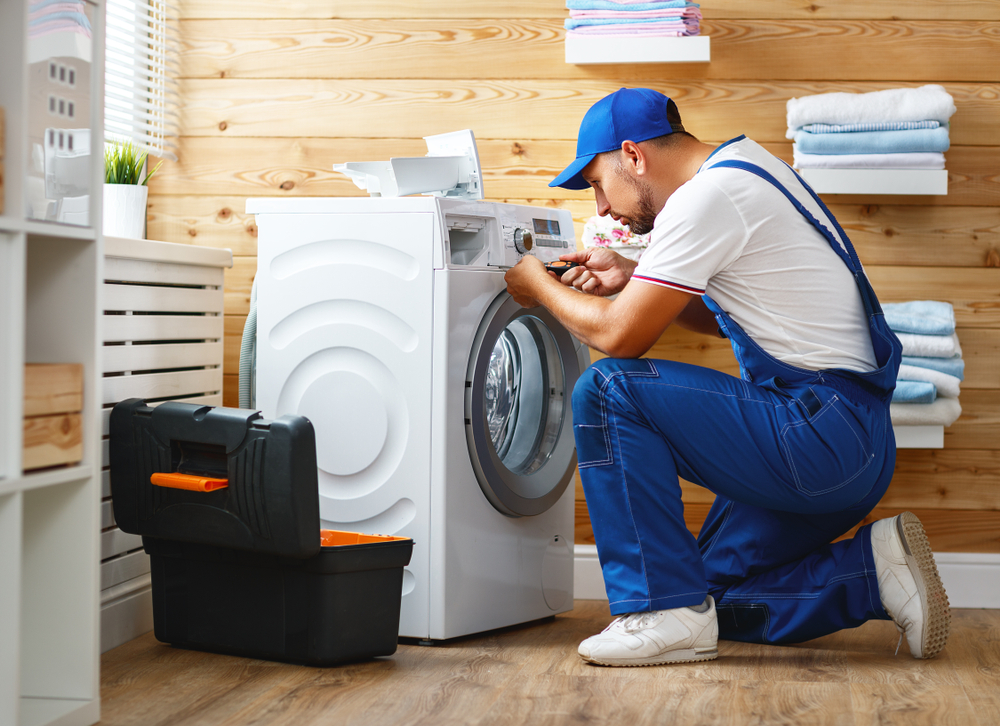
There is never a convenient time for laundry equipment to break down, especially in a busy household. At Appliance Repair Pros, we provide responsive washer and dryer repair in Shrewsbury, Massachusetts, and nearby areas including Northborough, Westborough, and Boylston. We know that a pile of wet clothes or a dryer that refuses to heat can disrupt your entire week. Whether you are dealing with a washing machine that will not drain, a dryer that is making a loud squealing noise, or a unit that shakes violently during the spin cycle, we have the practical experience to fix it. We service all major configurations, from traditional top loaders in basement laundry rooms to modern stackable units in condo closets.
Shrewsbury has a unique water profile with moderately hard water in certain areas, which can accelerate wear on inlet valves and internal hoses over time. We also see many older homes where uneven flooring contributes to balance issues and vibration. Our technicians approach every repair with a focus on accurate diagnostics and respect for your home. We use drop cloths to protect your floors and always check for safe electrical and gas connections before finishing the job. If your laundry routine has come to a halt, we are ready to help you get everything running smoothly again.
Contact us today for scheduling.
Washer and Dryer Repair Services in Shrewsbury
Laundry appliances are the workhorses of the home. They rely on heavy duty motors, belts, and complex suspension systems to handle heavy loads of wet fabric. Modern units also use sophisticated electronic control boards to manage water levels and spin speeds. We provide comprehensive repair services for both washing machines and clothes dryers. We understand the specific challenges of both gas and electric drying systems as well as high efficiency wash cycles.
Laundry systems we work on
- Top load washing machines with agitators
- High efficiency (HE) top loaders with impellers
- Front load washing machines
- Electric dryers (240 volt)
- Gas dryers (natural gas and propane)
- Stackable washer and dryer sets
- All-in-one laundry centers
- Ventless and condensing dryers
What makes washer and dryer repair tricky
- Direct drive motors in modern washers use magnetic fields and inverters that are hard to test
- Electronic control boards are sensitive to power surges and moisture
- Balancing rings and suspension rods must be perfectly calibrated to stop shaking
- Gas dryers require precise ignition testing to ensure safe combustion
- Hidden lint buildup inside the dryer cabinet can cause overheating issues
- Front load door boots have complex retaining springs that are difficult to install
- Water level pressure switches can get clogged with soap scum or hard water deposits
Common Washer and Dryer Problems We Fix
Washer will not drain water
If your cycle ends and the clothes are still soaking wet or sitting in a pool of water, the drain system has failed. This prevents the machine from entering the spin cycle. It is often caused by a physical obstruction in the pump or a failure of the pump motor itself.
Likely causes
- Small item like a sock or coin stuck in the drain pump
- Clogged drain filter (common on front loaders)
- Failed drain pump motor
- Kinked drain hose behind the machine
- Lid switch failure (machine won’t drain if it thinks the lid is open)
- Control board not sending voltage to the pump
How we diagnose it
We listen for the hum of the pump motor. If it hums but does not move water, it is likely jammed. We manually drain the machine and inspect the pump housing and filter for debris. We also test the lid switch continuity.
What you can do right now
If you have a front loader with an accessible access door at the bottom front, try opening it to check the debris filter. Have a shallow pan ready to catch the water.
Dryer is running but not heating
A dryer that spins but leaves clothes cold and wet is useless. On electric dryers, this is often a circuit or element issue. On gas dryers, it usually involves the ignition sequence. In both cases, the drum turns, but the heat source is dead.
Likely causes
- Burned out heating element (electric)
- Failed igniter or gas valve coils (gas)
- Tripped thermal fuse due to overheating
- Broken drive belt (some motors won’t activate heat if the belt is snapped)
- Timer or control board failure
- Incoming power issue (one leg of the 240v circuit is dead)
How we diagnose it
For electric units, we test the element for continuity and check the terminal block for melted wires. For gas units, we observe the glow bar igniter to see if it heats up and opens the gas valve. We always check the thermal fuse, as it is a common safety fail safe.
What you can do right now
Check your circuit breaker. Electric dryers run on a double breaker. Sometimes one half trips while the other stays on, allowing the motor to run but providing no heat.
Washer is vibrating or shaking violently
A washer that walks across the floor or bangs loudly against the wall is alarming. This is common in second floor laundry rooms or older Shrewsbury homes with wooden floor joists. While some vibration is normal, violent shaking indicates a suspension failure.
Likely causes
- Worn out suspension rods or damper springs
- Broken shock absorbers (front loaders)
- Uneven leveling legs
- Counterweight has come loose (rare but serious)
- Load is consistently unbalanced
How we diagnose it
We push down on the tub to test the rebound of the suspension rods. If the tub bounces like a basketball, the rods are worn. We also check the leveling feet to ensure all four are firmly touching the floor and locked in place.
What you can do right now
Try redistributing the clothes manually. Ensure the machine is not overloaded with heavy items like wet towels or bedding all on one side.
Dryer takes too long to dry
If you have to run the dryer two or three times to get clothes dry, you are wasting energy and time. This is almost always an airflow issue. Even if the dryer gets hot, the moisture cannot escape if the vent is blocked.
Likely causes
- Clogged dryer vent duct in the wall
- Lint screen is coated with fabric softener residue
- Crushed transition hose behind the dryer
- Blower wheel is stripped or clogged with lint
- Cycling thermostat is failing
How we diagnose it
We measure the airflow at the external vent hood. We also check the internal temperature cycling to see if the heat cuts off too early. We inspect the blower wheel for lint buildup that reduces air velocity.
What you can do right now
Disconnect the vent hose from the back of the dryer and run a load. If it dries quickly, the problem is in your house venting, not the machine.
Washer is leaking water
Water on the floor is a slip hazard and a threat to your home’s structure. Leaks can come from the hoses, the pump, or the tub seal. In front loaders, the door boot seal is a frequent culprit.
Likely causes
- Cracked or loose fill hoses
- Ripped door boot seal (front load)
- Drain pump housing cracked
- Tub seal failure (water leaking from center underneath)
- Detergent dispenser hose loose
How we diagnose it
We run the machine and use a flashlight to trace the water path. We remove the front or back panel to see if the leak originates from the fill valves or the bottom of the tub.
What you can do right now
Check the connection points where the hoses meet the wall faucets. Tighten them by hand. If the leak is severe, turn off the water supply valves immediately.
Dryer makes loud squeaking or thumping noises
A rhythmic thump or a high pitched squeak usually indicates mechanical wear on the support system. Ignored noises often lead to the drum seizing up completely.
Likely causes
- Worn out drum support rollers
- Idler pulley bearing failure
- Worn rear drum bearing or glide pads
- Object stuck between the drum and the housing
- Blower wheel wobbling
How we diagnose it
We disassemble the dryer cabinet to access the rollers and belt system. We spin the rollers by hand to feel for rough bearings. We examine the belt for fraying and the idler pulley for smooth rotation.
What you can do right now
Check inside the drum for loose change, buttons, or zippers that might be clanking against the metal. Otherwise, stop using the unit to prevent metal on metal damage.
Washer will not spin or agitate
The machine fills and drains, but the clothes just sit there wet and unwashed. This points to a drive system failure. In top loaders, it could be the “dogs” in the agitator; in front loaders, it is often a motor or belt issue.
Likely causes
- Broken lid switch (safety feature prevents spinning)
- Stripped agitator dogs (top load)
- Broken motor coupler or belt
- Shift actuator failure
- Motor control board failure
How we diagnose it
We enter the diagnostic mode to test the motor at different speeds. We check the lid switch mechanical engagement. On top loaders, we remove the agitator cap to inspect the drive cogs.
What you can do right now
Ensure the lid is fully closed. Sometimes a slightly bent lid strike prevents the switch from engaging.
Washer smells like mildew
This is a common complaint with front load washers in the Shrewsbury area. Water gets trapped in the folds of the gasket or the outer tub, leading to mold growth and smelly laundry.
Likely causes
- Mold growth on the door boot seal
- Clogged drain filter retaining stagnant water
- Buildup of detergent and fabric softener behind the drum
- Drain hose installed without a proper high loop
How we diagnose it
We inspect the door seal for black mold spots. We check the drain hose installation to ensure dirty water isn’t siphoning back into the machine.
What you can do right now
Run a “Clean Washer” cycle with hot water and bleach. Wipe down the door seal and leave the door open between uses to let it dry out.

Safety Notes for Washer and Dryer Issues
Laundry appliances combine high voltage electricity, water, and combustible gas (for gas dryers). This triad creates significant safety risks if handled incorrectly. A small leak can rot your floor joists, and a lint fire can threaten your entire home.
Please follow these safety checks if you suspect a problem:
- If you smell gas near the dryer: Do not touch any electrical switches. Leave the laundry room and the house immediately. Turn off the gas main if safe and contact your utility provider.
- If you get a shock from the machine: Unplug it immediately if you can reach the cord safely. This indicates a serious grounding failure or a short circuit to the cabinet.
- If the dryer is extremely hot to the touch: Stop the cycle. The vent is likely clogged, trapping heat inside. This is a fire hazard.
- If you see active water leaking: Shut off the hot and cold water valves on the wall behind the washer. If they are seized, you may need to shut off the house main.
Brands We Service for Washer and Dryer Repair in Shrewsbury
We see a wide variety of brands in local homes, from the reliable Whirlpool sets in Dean Park colonials to the compact Bosch units in downtown condos. We tailor our repair approach to the specific engineering of each manufacturer.
Whirlpool family (Whirlpool, Maytag, Amana, Roper)
These are the most common units we service. They are generally robust and easy to repair. The newer “VMW” (Vertical Modular Washer) top loaders use a shift actuator that we frequently replace. Maytag Commercial units are also popular for their durability.
Common issues we see with these models
- F7 E1 error codes indicating a speed sensor fault
- Lid lock mechanism failure preventing the cycle
- Shift actuator breaking (machine won’t switch to spin)
- Loud roaring noise during spin (tub bearing failure)
Why correct diagnosis matters
Replacing the main board on a Whirlpool when the issue is actually a $40 shift actuator is a common mistake. We test the components individually to save you money.
Samsung and LG
These brands dominate the front load market. They are tech heavy, often featuring melody chimes and complex displays. They use direct drive motors attached to the back of the drum, eliminating the belt. They are quiet but have specific electronic failure points.
Common issues we see with these models
- Drain pump failure (OE or 5E codes)
- Door boot seals developing mold or tears
- Suspension dampers wearing out causing shaking
- Water inlet valve failure causing overfilling
Why correct diagnosis matters
LG and Samsung washers often require a specific reset procedure to clear error codes from the memory. Without this, the machine may show an error even after it is fixed.
GE family (GE, Hotpoint, Haier)
GE top loaders are known for their specific “Hydrowave” drive system and now the newer GTW series. They are solid machines but often suffer from belt issues and specific software glitches that require updates.
Common issues we see with these models
- Machine filling with water while off (inlet valve failure)
- Loud banging on spin (suspension rods)
- Software freezing up requires a system reset
- Speed sensor wires breaking
Why correct diagnosis matters
On newer GE washers, the pressure sensor is built directly into the control board. If the pressure reading is bad, you often have to replace the whole board, not just a switch.
Bosch and Electrolux
These European style compact washers are often found in closets or under counters. They spin at very high speeds to extract water. Bosch washers have a unique drain pump access that differs from American brands.
Common issues we see with these models
- E18 drain errors due to clogged filters
- Door latch handles breaking
- Motor carbon brushes wearing out (older models)
- Control board failure due to voltage spikes
Why correct diagnosis matters
Bosch dryers often do not have a traditional heating element but use a condensation system. Diagnosing a “no heat” issue on these requires understanding airflow and heat exchange, not just testing a wire.
Common Warning Signs and What They Usually Mean
Your laundry machines often tell you they are sick before they die completely. Listening to these signs can prevent a small repair from becoming a total replacement.
- Squealing or screeching: Usually a belt or idler pulley in the dryer. It means metal is rubbing on metal.
- Clothes are hot but damp: The dryer is heating, but the moist air is not venting out. Check your vent duct.
- Washer smells like burning rubber: This is often the drive belt slipping or the motor coupler breaking. Stop the machine immediately.
- Puddles appear only during spin: This suggests a leak high up in the machine, like the door boot or the air gap, that splashes out when the drum spins fast.
- Digital display flickers: This often points to a loose wire harness or a control board that is beginning to fail.
Maintenance Tips for Washer and Dryer Owners in Shrewsbury
To keep your laundry room safe and efficient, regular maintenance is key. Given the hard water in parts of Shrewsbury, paying attention to water valves is especially important.
- Clean the dryer vent yearly: A clogged vent is a fire hazard and kills your dryer’s efficiency. Disconnect the hose and vacuum it out at least once a year.
- Replace rubber hoses: If you still have black rubber fill hoses, replace them with stainless steel braided hoses. Rubber hoses are prone to bursting after 5 years.
- Level your machines: Use a bubble level to ensure your washer is flat. This reduces vibration and saves your suspension rods.
- Use HE detergent sparingly: In high efficiency washers, you only need 2 tablespoons of soap. Excess soap creates suds that confuse the sensors and lead to mold.
- Leave the washer door open: After every load, leave the door or lid ajar to let the moisture evaporate. This prevents mildew.
- Check pockets: Coins and keys are the number one killer of drain pumps. Check every pocket before loading.
- Clean the lint trap every time: Never run a dryer load without a clean lint screen. It improves airflow and safety.
Service Area for Washer and Dryer Repair in and Around Shrewsbury, Massachusetts
We are a local appliance repair team dedicated to serving Shrewsbury and the surrounding communities. We know the area well, from the older homes near the town center to the newer condos off Route 9. We provide reliable service to the following towns:
- Shrewsbury
- Northborough
- Westborough
- Grafton
- Boylston
- Worcester (Lake Area)
- Auburn
- Millbury
Zip codes we serve: 01545, 01532, 01581, 01519, 01505, 01604, 01501, 01527
Frequently Asked Questions
Is it worth repairing a 10 year old washer?
If it is a simple repair like a lid switch or a belt, yes. Older top load washers are often built better than new ones. However, if the transmission or main bearing has failed, the repair cost might outweigh the value. We will give you an honest opinion upon inspection.
Why does my washing machine shake so much?
Shaking is usually caused by an unbalanced load, uneven leveling legs, or worn suspension rods. In second floor laundry rooms, the floor itself might be flexing. We can check the suspension and help level the machine to minimize this.
Do you fix stacking washer and dryer units?
Yes, we service stackable units often found in condos and apartments. These can be tricky to access, but we have the tools to move them safely to perform repairs.
Why is my dryer taking two cycles to dry clothes?
This is almost 90% of the time a venting issue. The dryer cannot push the moist air out of the house. Check your outside vent hood for blockage. If the vent is clear, the dryer cycling thermostat or heating element may be weak.
Can you replace the rubber seal on my front load washer?
Yes, replacing the door boot seal is a common repair. If yours is moldy or torn, we can replace it. We recommend wiping the new one dry after use to make it last longer.
Do you work on gas dryers?
Yes, we are experienced with gas dryer repair. We can safely test the gas valve coils, igniter, and flame sensor. If you smell gas, please call your utility provider first.
What is the difference between a belt drive and direct drive washer?
A belt drive uses a motor and a belt to spin the drum, while a direct drive has the motor attached directly to the drum shaft. Direct drives have fewer moving parts but are more complex to repair electronically. We service both types.
Why is there water in my fabric softener dispenser?
This is usually due to a clog in the siphon tube or low water pressure. If the water doesn’t rush in fast enough to create the siphon action, water stays behind. Cleaning the dispenser drawer with hot water often fixes this.
Do you repair commercial coin operated machines?
We focus on residential equipment. We generally do not service commercial coin op machines found in laundromats or large apartment complexes.
What should I do before the technician arrives?
Please ensure the laundry room is accessible. If there are clothes in the washer or dryer, you can leave them unless the washer is full of water. If the washer is full of water, let us know so we can bring a shop vac.
Conclusion
At Appliance Repair Pros, we understand that clean laundry is a necessity, not a luxury. We are committed to providing Shrewsbury homeowners with fast, professional washer and dryer repair. Whether you have a modern front load set or a trusty older top loader, we treat your appliances with care. We aim to fix the problem correctly the first time so you can get back to your routine. Don’t let a broken machine pile up your laundry. Reach out to us for assistance and let us handle the heavy lifting.
Contact us today.